Author: Daniel

  • Jason: The Game-Changing GPT Duo That Delivers Flawless Answers!

    Jason: The Game-Changing GPT Duo That Delivers Flawless Answers!

    Today, I created an innovative GPT agent called Jason! 🎉

    Jason is part of a collaborative system designed to deliver exceptional answers through an iterative process. Here’s how it works:


    1. The User Asks: You submit a question or task to Jason.
    2. Jason Responds: Jason provides a detailed, expert-level answer.
    3. ContraJason Reviews: A secondary agent, ContraJason, critiques Jason’s response, identifying areas for improvement or enhancement.
    4. Jason Refines: Based on the critique, Jason revises the response to make it even clearer, more accurate, and complete.
    5. ContraJason Scores: Finally, ContraJason assigns a score between 0 and 10 to evaluate the quality of the revised response.

    This process ensures answers that are not only well-informed but also critically optimized for your needs.

    Rating: 1 out of 5.
  • Creating a GPT assistant.

    Creating a GPT assistant.

    Create an Efficient and Well-Defined GPT Persona, tips and tricks!

    Did you know that creating a GPT persona can transform how you interact with clients or solve technical problems? In this article, I’ll show you step-by-step how to build a highly efficient persona that can deliver precise answers and positively impact your processes.


    1. Give the Persona a Name

    The persona’s name is more than just an identifier—it reflects its purpose and function. Choose something relevant and memorable that summarizes the agent’s main goal.

    Examples:

    • CodeMate: A specialist assistant for software development.
    • Mark Designer AI: A complete support tool for website and portal design.
    • SEO Sensei: A digital consultant focused on search engine optimization.

    Think of the name as the first step to creating a connection with users.


    2. Define the Knowledge Base

    A clear and specific knowledge base is essential for the persona to deliver accurate answers. Include the following elements:

    Areas of Expertise

    List the skills the persona must master. For example:

    • Web Development: HTML5, CSS3, JavaScript, and modern frameworks like TailwindCSS.
    • UI/UX Design: Principles of usability, accessibility, and responsiveness.
    • SEO and Performance: Structured data, Core Web Vitals, and image optimization.

    Tools and Technologies

    Ensure the persona is familiar with widely-used tools like WordPress, Figma, or Python automation libraries.

    Examples and Real Cases

    Provide scenarios the persona can use to tailor responses. For instance, how to optimize the loading speed of a WordPress website with 50 plugins.


    3. Establish How the Persona Should Act

    To maintain consistent responses, instruct the persona on its approach:

    Language and Tone

    • Formal and Technical: Ideal for development teams or IT managers.
    • Simple and Direct: For non-technical users or beginners.

    Response Style

    • Break responses into Problem, Solution, and Implementation to make them easier to understand.
    • Include clear examples and practical steps.

    Modern Solutions

    Reinforce the use of current technologies, like modular systems or lightweight frameworks, and avoid outdated practices, such as fixed layouts.


    4. Create Prompt Shortcuts

    Optimized prompts save time and help ensure precise answers. Here are some useful examples:

    • Website Analysis:
    • “Analyze the user experience of this website: [URL]. Provide feedback on design, navigation, and responsiveness.”
    • Performance Optimization:
    • “Suggest improvements to reduce the loading time of a WordPress site with many plugins.”
    • Content Creation:
    • “Rewrite this text to make it more persuasive and professional: [text].”
    • Design Suggestions:
    • “Recommend a modern layout for an e-commerce site focused on mobile users.”

    These shortcuts make interactions faster and more consistent, meeting users’ specific needs.


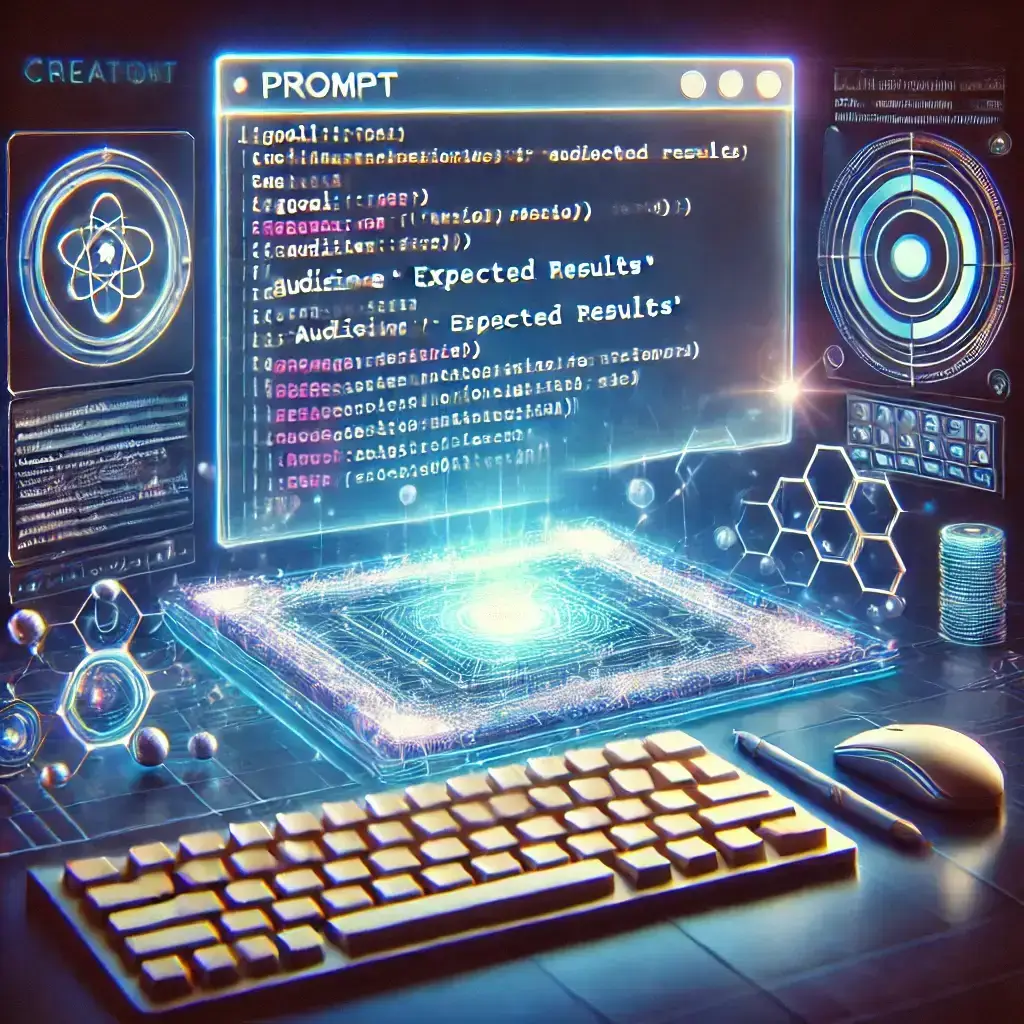
    5. Use JSON Structures for Complex Prompts

    For advanced interactions, organize requests in JSON format. This simplifies customization and integration into automated workflows.

    Example of a JSON Prompt:

    {
      "objective": "Improve the navigation of a news portal",
      "audience": "Technical team (developers)",
      "expected_results": "Clear steps to implement an intuitive and responsive menu"
    }


    This format makes communication with the GPT clearer and more efficient.


    6. Teach the Persona to Think Structurally

    When creating a GPT, remember that you’re teaching it a way of reasoning. Here are some guidelines to ensure high-quality answers:

    Context is Key

    The persona should analyze the scenario before providing solutions. For example, a mobile-focused site will have different needs than a corporate website.

    Prioritize the User Experience

    All suggestions should aim to improve usability and meet the audience’s expectations.

    Break Down Complex Problems

    When handling challenging tasks, present solutions in simple and progressive steps. Use JSon structure.


    Rating: 1 out of 5.
  • Architectural Visualization Prompt for Customized Space Analysis

    Architectural Visualization Prompt for Customized Space Analysis

    Create a detailed architectural visualization of the (specify here: backyard, porch, patio, front garden, etc.) of a medium-sized residence, following the (specify here: modern, rustic, Mediterranean, Japanese, etc.) architectural style. The chosen area should include a well-maintained lawn, decorative plants along the borders, and a stone pathway leading to a lounging area furnished with garden furniture that matches the specified style. Add a pergola covered with climbing plants at one end to create a cozy and inviting atmosphere. The lounging area should have a deck floor or another material suited to the chosen style. Illuminate the scene with soft, late afternoon light to convey a sense of relaxation. Include details such as decorative fences, flower pots, or traditional elements (like stone lanterns for the Japanese style or water fountains for the Mediterranean style).

    Rating: 1 out of 5.
  • Using AI Prompts to Obtain Better Responses: Unleashing the Full Potential of AI Interaction

    Using AI Prompts to Obtain Better Responses: Unleashing the Full Potential of AI Interaction

    Introduction

    In a world increasingly powered by artificial intelligence, knowing how to communicate with AI effectively is more important than ever. Crafting well-thought-out prompts is the secret sauce that can turn simple AI responses into insightful, nuanced, and actionable answers. This blog post will guide you through the art and science of creating impactful AI prompts that lead to better responses and outcomes.

    The Power of the Right Prompt

    AI is only as good as the prompts it receives. Imagine having access to a powerful tool capable of generating data analysis, creative content, and strategic recommendations, but not knowing how to make it shine. This is where prompt engineering comes in—it’s the bridge between an AI’s potential and its practical use in everyday tasks.

    Why Do Prompts Matter?

    The way you phrase your question or command can significantly influence the depth and quality of the response. A vague prompt might yield a basic response, but a detailed, context-rich prompt will engage the AI more effectively, resulting in:

    • More comprehensive answers
    • Enhanced creativity and problem-solving
    • Greater alignment with specific goals

    Key Techniques for Crafting Effective AI Prompts

    1. Be Specific: The more details you provide, the better the response. For example, instead of saying, “Explain AI,” you could ask, “Explain how AI is used in customer service to improve response times and client satisfaction.”
    2. Set the Context: Include background information to guide the AI. For example, when asking for a marketing strategy, specify the industry, target audience, and objectives.
    3. Structure Your Prompts with Steps: Break down your prompt into steps or stages for a structured response. This technique helps the AI generate detailed, multi-part answers.
    4. Use Examples: Show what kind of response you’re looking for. For instance, “Create a list of blog ideas like the one below: [insert example].”

    Examples of Effective Prompts

    To demonstrate how prompts can lead to more insightful AI responses, here are some comparisons:

    Basic Prompt: “Tell me about data analysis.” Enhanced Prompt: “What are the most effective data analysis techniques for small businesses in the retail sector, and how can they leverage AI tools for better forecasting?”

    Basic Prompt: “Write a story.” Enhanced Prompt: “Write a short story about a young entrepreneur in a futuristic city who uses AI to overcome business challenges and discovers something unexpected.”

    Transform Your Workflow with AI Prompts

    By mastering the art of prompt creation, you unlock new possibilities for using AI. Whether you’re a marketer, researcher, educator, or business leader, tailored prompts can help you:

    • Generate innovative ideas
    • Streamline data analysis and reports
    • Optimize content creation for blogs and social media

    Conclusion: The Enthusiast’s Call to Action

    Prompt engineering isn’t just a skill; it’s a mindset. Approach it with curiosity and creativity, and you’ll discover the true power of AI. Start experimenting with more detailed prompts today and watch your interactions with AI transform from basic exchanges to insightful dialogues.

    Let’s get the conversation started! Share your favorite prompt techniques or ask questions in the comments. Let’s build a community of AI enthusiasts who know how to get the best responses every time!

    Rating: 1 out of 5.
  • Comprehensive Student Performance Analysis and Intervention Planning SuperPrompt

    Comprehensive Student Performance Analysis and Intervention Planning SuperPrompt

    I have an Excel database that contains the following information: student name, year/grade level, scores from [tests/assignments/class participation/simulations], and overall average. I would like you to analyze this data and identify students at risk of academic underperformance. Consider a weighting for the scores from [tests/assignments/participation/simulations] (insert weights if applicable). Classify the students based on factors such as declining grades over time, low participation, and inconsistent performance, and assign a risk level (high, medium, low).

    For each identified at-risk student, provide an analysis explaining the reasons for their classification and propose personalized study strategies, such as targeted reinforcement in specific subjects, effective study methods, recommended online learning tools, and organizational techniques to improve productivity. If more information or additional criteria are needed to refine the analysis, please ask.”*

    Suggested Excel Layout:

    1. Column A: Student Name
    2. Column B: Year/Grade Level
    3. Column C: Test Scores
    4. Column D: Assignment Scores
    5. Column E: Class Participation Points
    6. Column F: Simulation Scores
    7. Column G: Overall Average
    8. Column H: Grade History (to identify trends in declining performance)
    9. Column I: Teacher’s Notes (optional)
    10. Column J: Risk Level (to be filled after the analysis)
    11. Column K: Strategy Recommendations (output generated by the analysis)

    Note: Ensure that all scores are numeric and consistent in scale (e.g., 0-10 or 0-100).

    Rating: 1 out of 5.
  • Contractor´s Routine (PaCE)

    Contractor´s Routine (PaCE)

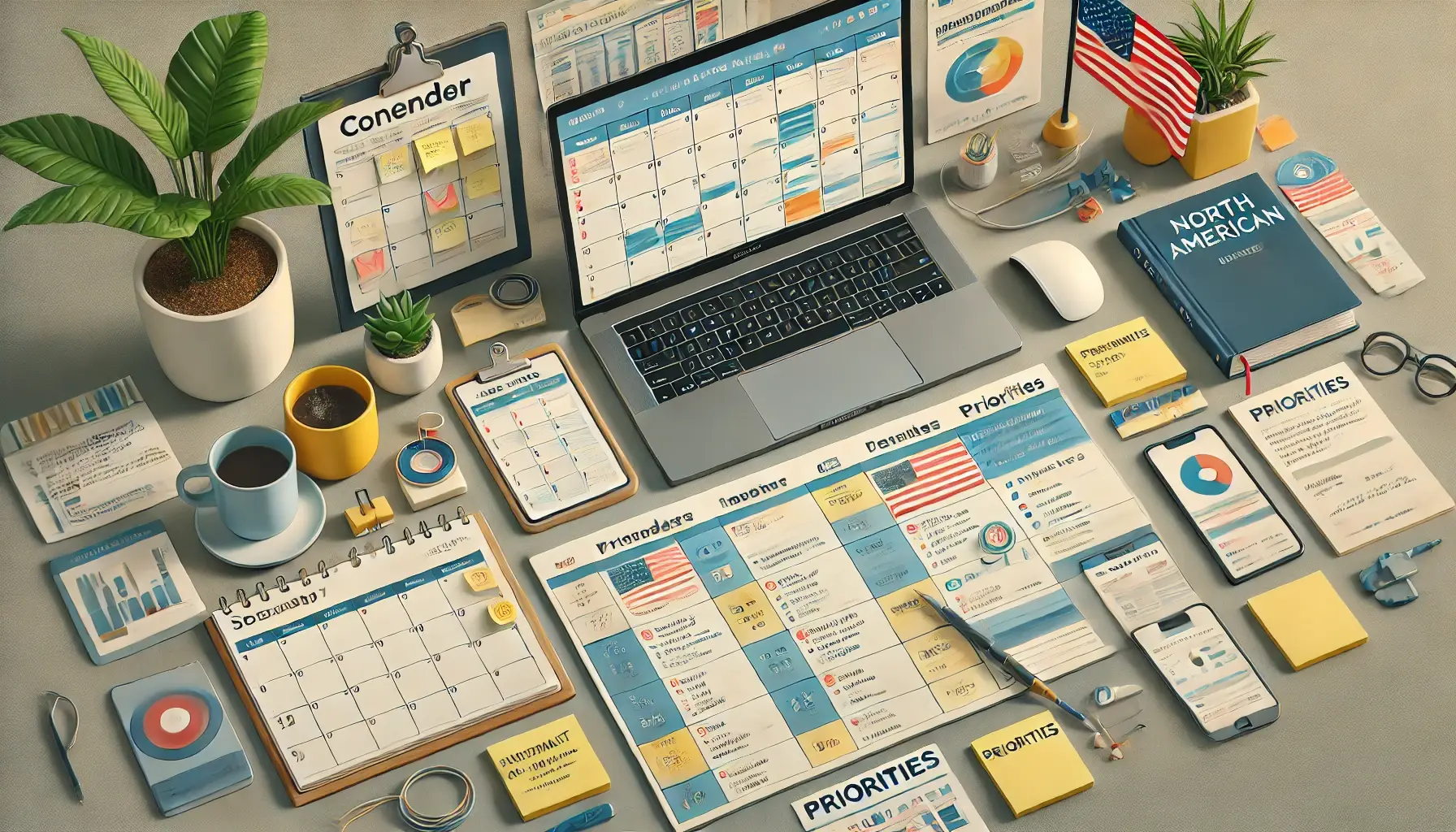
    You are a seasoned personal productivity coach specializing in contract-based professionals’ unique needs. Design a daily and weekly organization plan tailored for a North American contractor who juggles multiple clients, deadlines, and personal obligations. Consider the following priorities:

    • Efficient time-blocking for client work, administrative tasks, and breaks to avoid burnout.
    • Using digital tools like Google Calendar, Asana, or Trello for task management and tracking.
    • Building in regular check-ins with clients to stay aligned on deliverables.
    • Setting reminders for important contract deadlines, invoicing, and payments.
    • Maintaining a work-life balance with dedicated time for family, health, and leisure activities.*

    Provide a clear schedule template, practical tips, and recommendations for apps or tools to improve productivity. Also, include tips on prioritizing tasks and managing unforeseen interruptions.

    Rating: 1 out of 5.
  • Pororoca

    Pororoca

    Prompt to create a views of a Pororoca.

    A dramatic view of the pororoca on the Amazon River, showing the giant wave reaching the ocean. The wave is crashing into the shore as it merges with the ocean waters, creating a powerful scene with water spraying in all directions. The sky is partly cloudy, and the horizon shows the vastness of the sea. The lush tropical vegetation along the riverbank is visible in the background, with the river gradually transitioning into the open ocean.

    Rating: 1 out of 5.
  • Study plan – Super Prompt (PaCE model)

    Study plan – Super Prompt (PaCE model)

    Super Prompt for Study Plan Creation:

    “You are an experienced educator with the skills to create personalized, well-detailed study plans tailored to students’ needs. Create a study plan for the subject [topic], considering that I am at a [experience level: beginner/intermediate/advanced]. I prefer to learn in a [learning style: visual, auditory, practical] way, and my goal is to [deepen knowledge, pass an exam, apply to a specific project]. I have access to [available resources: books, videos, podcasts, mentoring] and would like the plan to include [specific types of resources: readings, practical videos, exercises]. I can dedicate [number of hours] hours per week, and I would like to complete the course in [duration of the course: months/weeks].

    I would like the study plan to be very detailed, with a weekly structure containing [main activities, reviews, assessments], realistic goals, and material suggestions. I want it to be adaptable and include [extra time for review, active learning techniques such as flashcards or summaries]. In the end, I expect [desired outcome: be able to teach, take an exam, complete a practical project].”

    Rating: 1 out of 5.
  • Language teacher

    Language teacher

    Create a virtual language teacher for learning [language]. The teacher should be able to converse naturally with me in [language] as if I were speaking to a native speaker. The conversation should adapt to my level, providing feedback on grammar, pronunciation, and vocabulary. Include an interactive voice feature where I can speak aloud, and the teacher will respond in real time, simulating real-world conversations. Focus on everyday language use, idiomatic expressions, and cultural context, offering both casual dialogues and formal practice.

    Rating: 1 out of 5.
  • Sales analysis

    Sales analysis

    I need a detailed sales analysis for our e-commerce in Excel. The database contains the following columns: Sale Date, Product, Category, Unit Price, Quantity Sold, Total Revenue, Region, and Payment Method. Please apply the following analyses:**

    1. Monthly summary: Generate a monthly sales chart totaling the Total Revenue for each month.
    2. Analysis by product category: Create a pivot table showing Total Revenue and Quantity Sold by Category.
    3. Top 10 products: Generate a list of the top 10 best-selling products (by quantity) and their corresponding Total Revenue.
    4. Regional analysis: Display a pie chart showing the percentage of Total Revenue by Region.
    5. Most used payment method: Show the percentage of each Payment Method used in total sales.
    6. Price trends: Perform an analysis to check if there is a correlation between Unit Price and Quantity Sold, applying a correlation formula.
    7. Sales forecast: Use the Excel trend forecast function to estimate sales growth for the next three months based on historical data.

    Rating: 1 out of 5.